United States
 Canada
When a group is too big for a car and too small for a coach, two vehicles tend to come up: the Executive Sprinter and the party bus. They can look similar in a photo, but they behave differently on the road and at the venue. One is designed for comfort and conversation; the other is designed as a mobile gathering. Choosing well makes the difference between a pleasant group trip and a frustrating one.
This guide compares the two across seats, atmosphere, practicality and rules, and ends with a table covering all eight vehicle classes we book. For a deeper dive, see the Executive Sprinter guide and the party bus guide.
The Executive Sprinter
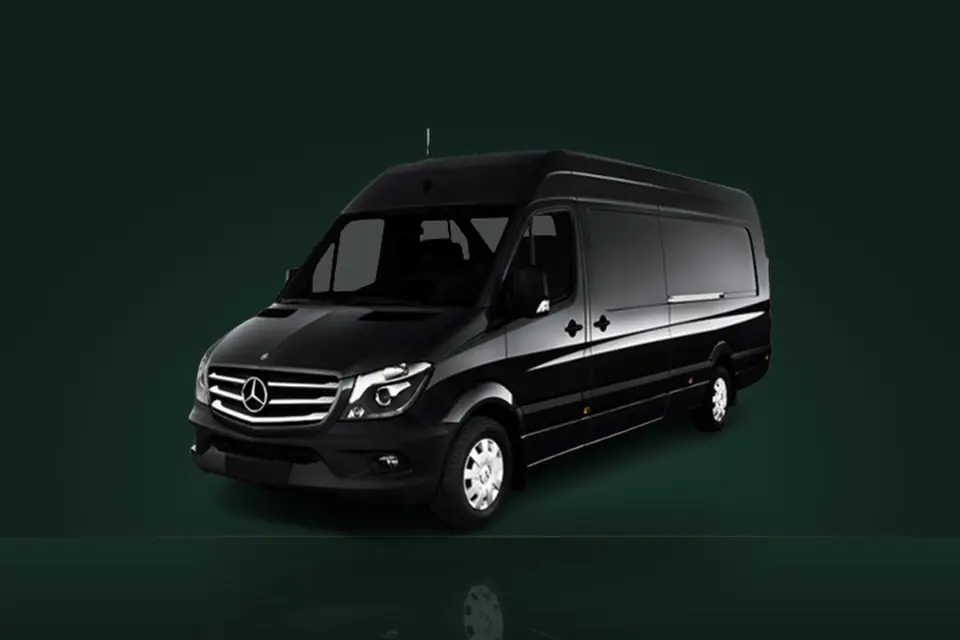
An Executive Sprinter is a high-roof van, typically built on a Mercedes-Benz Sprinter chassis, converted to carry 12 to 14 passengers in a coach-style layout. See the Sprinter article for background on the platform. Seating is forward-facing or in a lounge arrangement, with air conditioning, power outlets and luggage space. It is the natural choice for corporate groups, wedding parties, golf teams, conference shuttles and airport groups.
The party bus
A party bus is larger, with seating along the sides, a dance area and a sound and light system. It typically holds 20 to 30 passengers. It exists for celebrations: birthdays, bachelor and bachelorette nights, proms and concert runs. For background, see the party bus article. Because of its size, it needs more room to turn and park, and some venues limit where large vehicles can stop.
Side by side
| Feature | Executive Sprinter | Party Bus |
|---|---|---|
| Typical seats | 12 to 14 | 20 to 30 |
| Mood | Comfortable, professional | Celebratory, social |
| Luggage | Good for bags | Limited |
| Venue access | Easier to place | Needs larger drop-off areas |
| Best for | Corporate, weddings, airport groups | Parties, proms, nights out |
How to decide
- Headcount. If you have 12 to 14, a Sprinter is usually the better fit. Above 15, a party bus or two vehicles is often needed.
- Purpose. A business trip or ceremony points to a Sprinter; a party points to a bus.
- Luggage. Airport groups with bags usually need a Sprinter or a larger vehicle with a trailer or second car.
- Venue. Narrow streets and tight drop-offs favour the smaller vehicle.
- Rules. Age limits, alcohol and behaviour rules differ, so ask the operator for the policy.
Special cases
For a wedding, you might use a Sprinter to move the wedding party and a stretch limousine for the couple; see the wedding checklist. For a prom, a party bus is common but supervision and local rules matter; the prom guide for parents explains them. For a bachelor or bachelorette night, read party bus or limo.
For a small VIP group, look at the Jet Sprinter. It is a Sprinter fitted out as a lounge with seven seats, so each guest has far more room than in the 12 to 14 seat Executive Sprinter. It suits executive roadshows, airport transfers for a few VIPs and small celebrations.
All eight classes at a glance
| Class | Seats |
|---|---|
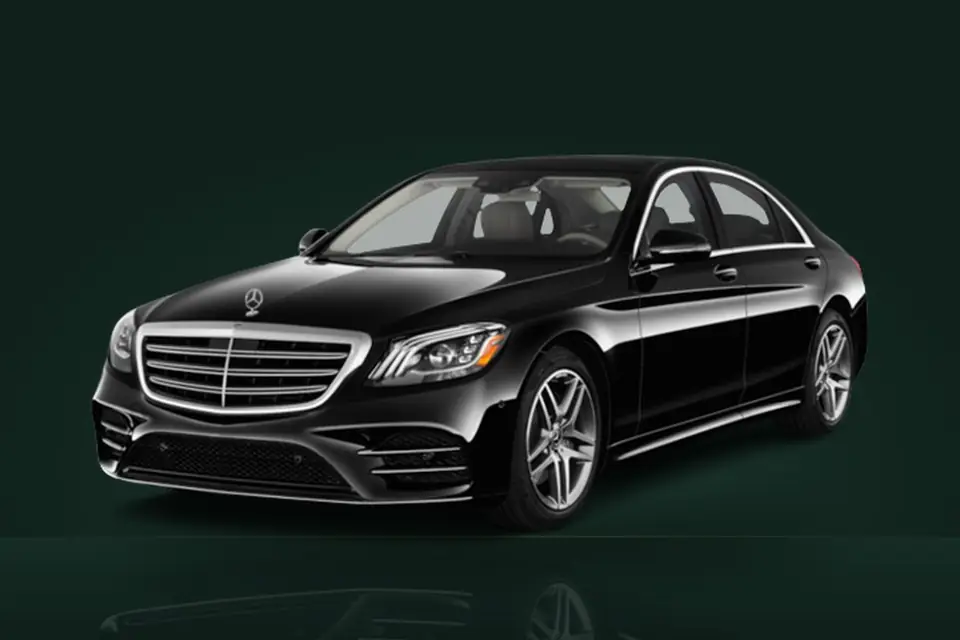
| First Class Sedan | 3 |
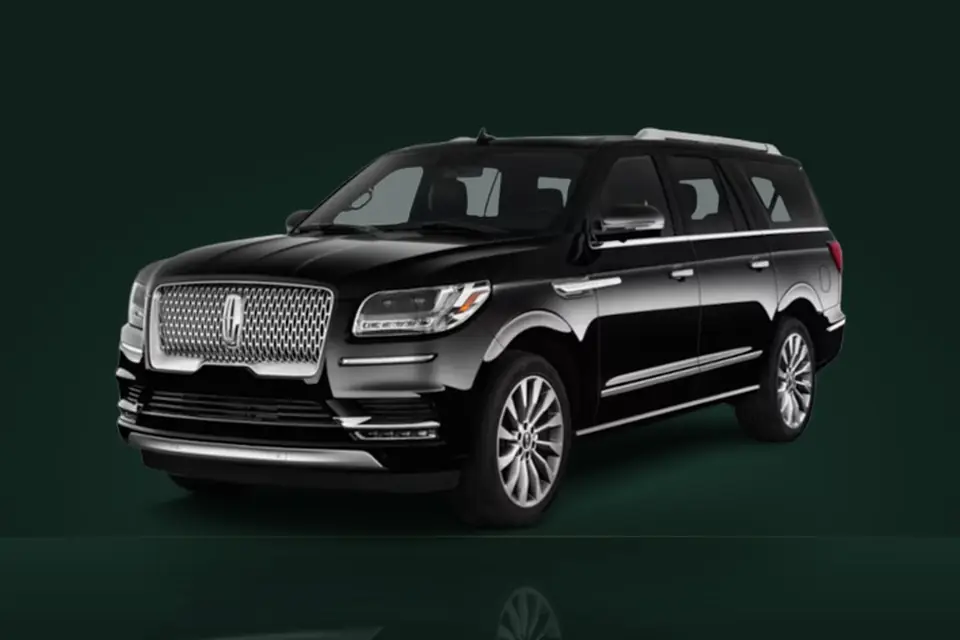
| Business SUV | 6 |
| Luxury SUV | 6 |
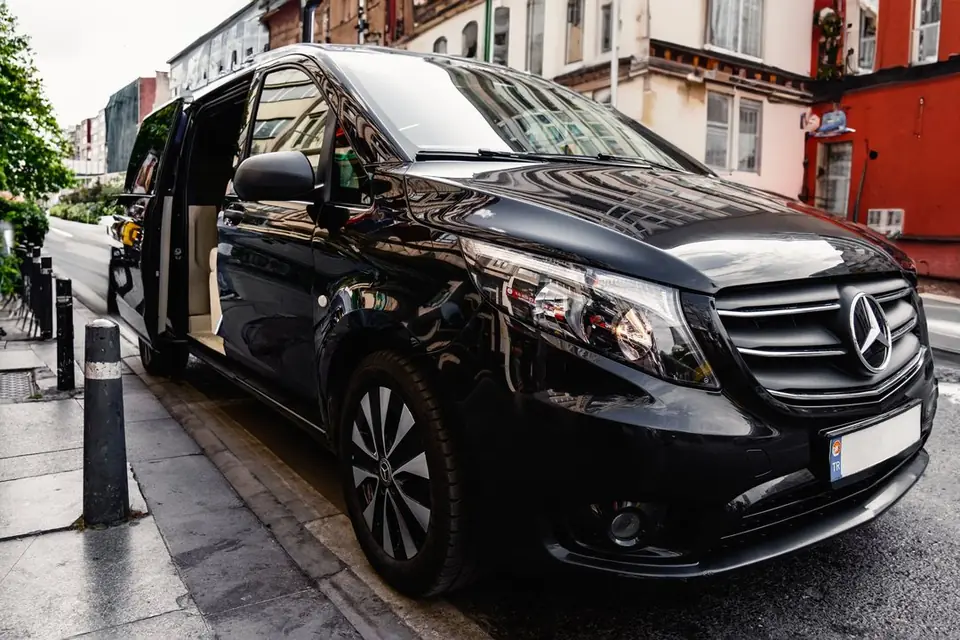
| Business Van | 6 |
| Executive Sprinter | 12 to 14 |
| Jet Sprinter | 7 |
| Stretch Limousine | 8 to 10 |
| Party Bus | 20 to 30 |
The passenger guide to vehicle sizes covers each class in more detail.
Large groups and multiple vehicles
If your group is bigger than any single vehicle, a convoy can work better than one large bus, particularly when guests arrive from different places. Read moving a group with multi-vehicle event transportation for planning tips, and send group details through the quote form so licensed operators can respond.
Real-world examples
A 13-person wedding party moving between a hotel, a ceremony and photos suits a Sprinter: the group arrives together, luggage and outfits fit in the back, and the vehicle can park in a normal drop-off area. A 25-person birthday group heading out for dinner and a night of music suits a party bus, because the vehicle itself is part of the entertainment. A corporate team of 12 moving between a hotel and a conference centre will be happier in a Sprinter, where conversation is easy and nobody is distracted by a dance floor.
Questions to ask the operator
- How many seats are there, and how many will be usable with luggage?
- What are the rules on alcohol, music volume and minimum age?
- Is there a limit on hours, and what are the overtime rules?
- How does the vehicle handle the venue's drop-off area?
- What is the policy for damage and cleaning?
Hourly hire for these vehicles has a 5-hour minimum counted garage to garage, so build your timeline accordingly; the 5-hour minimum explainer shows how the clock works. For a concert or a game, read concert night car service and game day transportation.
When you have a headcount and a purpose, review the fleet and book the vehicle that fits.
Frequently asked questions
How many seats does an Executive Sprinter have compared with a party bus?
Typically 12 to 14 seats. A party bus usually holds 20 to 30, depending on layout.
Which is better for a wedding shuttle?
An Executive Sprinter is often better for a wedding party because it is quieter and easier to place at venues. A party bus suits a larger, livelier group.
Are the rules about alcohol the same?
No. Rules vary by operator and location. Check what is allowed before you book and read the alcohol guide.