United States
 Canada
Moving a large group is a logistics problem, not just a booking problem. When thirty or fifty people must arrive at the same venue within a narrow window, the difference between a calm drop-off and a traffic jam is a plan. This guide explains how multi-vehicle transportation works for weddings, corporate events and delegations, and what to prepare before you contact an operator.
If you already know your headcount and dates, send a group quote request and licensed operators in our network will respond with options. The rest of this post helps you prepare the information they will need.
Decide what kind of fleet you need
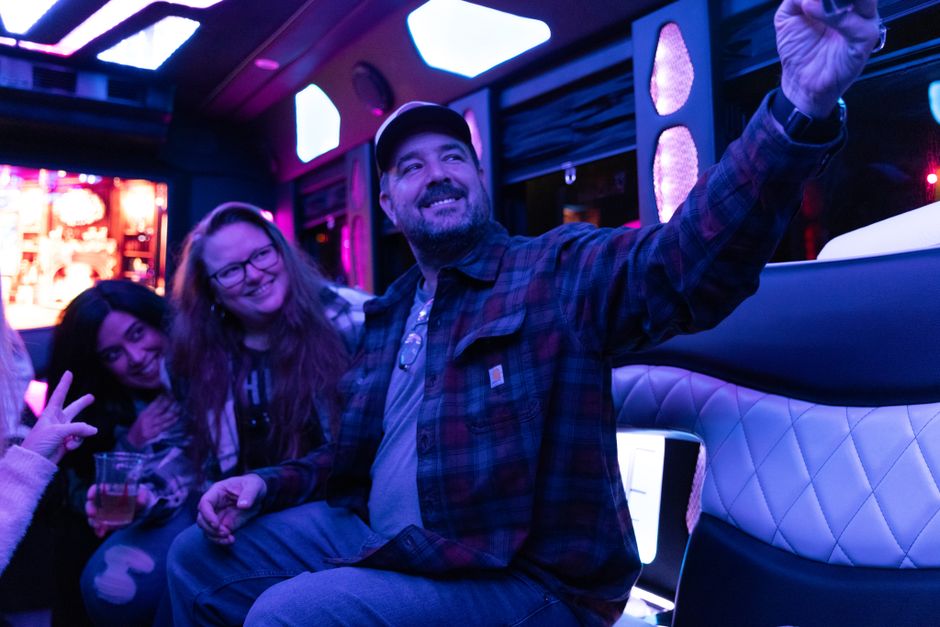
Large groups usually use a mixed fleet. A few Luxury SUVs carry VIPs or small families, while Executive Sprinters move teams of twelve to fourteen. A party bus suits a social event, and a sedan is useful for a keynote speaker or the host. Our Sprinter versus party bus comparison helps you pick, and the passenger size guide lists seat counts. Add a spare vehicle when the schedule is tight; a breakdown or a late arrival needs somewhere to go.
Build a manifest
A manifest is the list that tells every driver who rides in which vehicle, where and when. It does not need to be complicated, but it should include:
- Passenger names, party sizes and mobile numbers.
- Pickup address, time and the exact door or area.
- Vehicle assignment and driver contact for each group.
- Special needs, such as mobility equipment, car seats or dietary arrangements.
- Final destination, with a contact person at the venue.
Share the manifest with the operator early and update it as numbers change. A single revised list, sent once, avoids the confusion of fifteen separate messages.
One coordinator, one channel
The most useful decision you can make is to name a single coordinator on your side and give the operator that person's phone number. Guests should not call the operator directly; they should call the coordinator, who talks to dispatch. Where several vehicles are involved, ask the operator whether a lead dispatcher will manage the group by phone or message, and how drivers will report arrivals and delays.
Staging and loading
Large vehicles cannot stop wherever they like. Hotels, convention centers and stadiums often have designated loading zones with limited space, and a convoy of six vehicles will not fit in a single curb position. Agree beforehand on:
- The staging location where empty vehicles wait before pickup.
- The loading zone and the order in which vehicles arrive.
- The departure interval, so vehicles leave in sequence rather than at once.
- The drop-off area at the venue, with a plan for unloading quickly.
Our posts on conference and trade show transportation and corporate roadshows cover similar staging issues at larger venues.
Communicating with guests
Send guests a short message the day before, with the pickup time, the location and the name of the coordinator. Include a simple identifier, such as a colored sign on the vehicle. On the day, ask a volunteer to greet people at the loading zone and check names against the list. Remind guests that the vehicle will not wait indefinitely; a clear departure time keeps the schedule intact. For a wedding, see our wedding limousine checklist for guest shuttle timelines.
Contingency plans
- Keep a spare vehicle or a plan to reassign passengers if one car is delayed.
- Ask what happens if the event runs long, and how overtime is handled; see extra stops, waiting and overtime.
- Plan for weather, road closures and event traffic, and allow extra time on busy days.
- Confirm every operator holds the licenses and insurance required in your area; our guides on checking a company is licensed and insurance questions show how.
Working with more than one operator
Very large events sometimes need more vehicles than one company has. A network can bring in partners to fill the gap, as described in how operators handle group requests. Ask for a single lead operator who takes responsibility for the whole plan, so you do not coordinate several companies yourself.
For background on the general concept, see Wikipedia's article on convoys and its overview of event management. In the United States, the Federal Motor Carrier Safety Administration publishes regulations for passenger carriers; confirm which rules apply to your route with the operator.
After the event
Return trips are where plans most often fail, because guests leave at different times. Agree in advance whether vehicles run on a fixed schedule or wait until they fill, and tell the operator who has the authority to release a driver at the end of the night.
When you have your headcount, send your details through the group transportation request form.
Frequently asked questions
How far ahead should I book a multi-vehicle event?
As early as your dates are confirmed, because several vehicles are harder to secure than one. Peak weekends and event weeks fill quickly.
What is a manifest?
A passenger list that tells each driver who rides in which vehicle, with pickup location, time and contact details.
Should guests contact the operator directly?
No. Name one coordinator who communicates with dispatch, so changes are managed in one place.