United States
 Canada
Washington, DC is a small city wrapped in a huge region. Official trips run between the federal core, embassy and hotel districts, Northern Virginia offices and Maryland suburbs, and the three metropolitan airports. A street can be a clear two-minute drive one hour and a closed security zone the next, which is why many visitors and business travelers choose a chauffeur who works these streets daily.
Here is how the region fits together and how to book a car that suits it. If your first stop is an airport, jump to our guides for Washington Dulles and Reagan National.
Know the map before you book
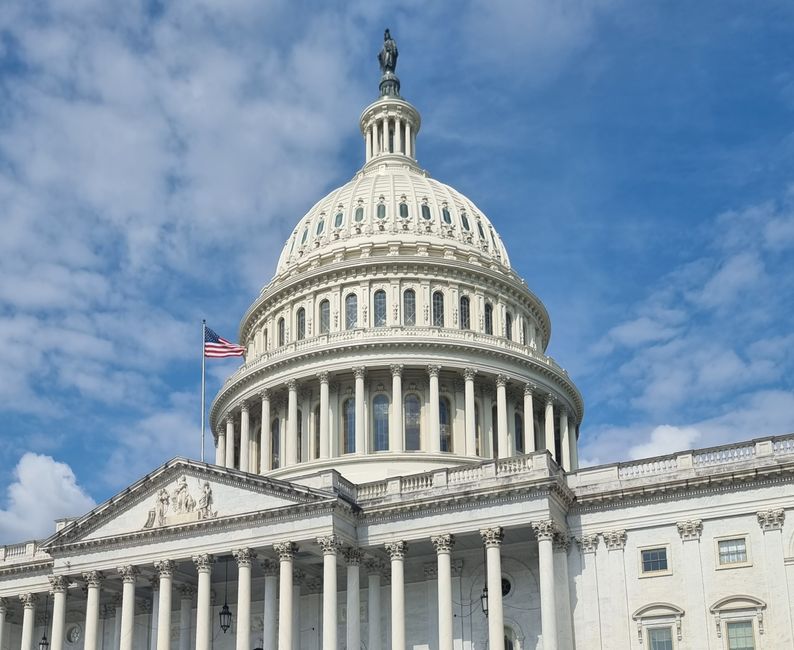
The core is the National Mall with the Capitol at one end and the Lincoln Memorial at the other. Around it sit Capitol Hill, Foggy Bottom, Dupont Circle, Georgetown, Penn Quarter and the Wharf. Across the Potomac are Arlington, Crystal City and Tysons; to the north are Bethesda and Chevy Chase. The road grid includes diagonal avenues and traffic circles that confuse first-time visitors and slow every taxi stand.
Georgetown has no Metro station and tight streets, so it is a classic chauffeur destination for dinners. Bridges over the Potomac, including Memorial Bridge and the Theodore Roosevelt Bridge, set the timing for trips to and from Virginia.
Closures, motorcades and security
Parades, marches, presidential movements and diplomatic events close roads with little warning. During large demonstrations or inauguration weeks, expect rolling closures near the Mall and the White House, and hotel drop-offs may move a block or two. A good operator watches official updates and will suggest alternate pickup points. Build in extra time on any day with a major event, and keep your phone on for driver messages.
Seasons and peak weeks
- Spring: The cherry blossom season around the Tidal Basin brings large crowds and street closures near the Jefferson Memorial. See the National Cherry Blossom Festival for dates.
- Congressional sessions and conferences: Midweek demand for executive cars climbs when Congress is in session and major associations meet downtown.
- Summer: Heat and tourist crowds make air-conditioned travel between monuments appealing.
- Autumn and December: Embassy receptions, college events and holiday dinners fill evenings.
Which vehicle fits?
Business trips are mostly one to three people, so a First Class Sedan or Business SUV is the default; the First Class Sedan guide shows what that includes. Families visiting museums often prefer a Luxury SUV for six passengers. Delegations, wedding parties and school groups can use an Executive Sprinter (12 to 14 seats). Matching vehicle size to the group is covered in the sedan versus SUV guide.
Transfer or hourly?
For a single airport run or a hotel-to-meeting ride, book a point-to-point transfer. If you have back-to-back meetings across town, a Hill visit followed by lunch in Georgetown and an evening reception, hourly hire keeps the same chauffeur and car waiting. The minimum is 5 hours, counted garage to garage, so the clock runs from the moment the vehicle leaves its garage until it returns. Our garage-to-garage explainer shows how that works in practice.
First-time visitors who want to see the memorials without parking hassles can take the private Washington monuments tour, written up in detail in the monuments tour planning guide. Tour prices are for the whole vehicle, and entry tickets, meals and parking are not included.
Tips from how the region works
- Ask your operator about the hotel's drop-off arrangements, especially around Capitol Hill and the Wharf.
- Share the full itinerary so the chauffeur can time bridge crossings.
- Government and corporate guests should confirm names for any building security list in advance.
- Plan extra time for evening Georgetown and Metro-adjacent events.
For reference material, the Metropolitan Washington Airports Authority runs both Reagan National and Dulles, and Wikipedia's Washington, D.C. article gives a good overview of the city's layout and neighborhoods.
A sample itinerary
Consider an executive arriving at Reagan National with a morning meeting on K Street, lunch near Capitol Hill and an evening reception at an embassy. A single hourly booking keeps the same vehicle on call, so the chauffeur can drop at the correct entrance for each venue, wait nearby and avoid closed streets. Without it, you would rebook at every stop and risk a long wait where taxi stands are scarce. Add a late-night drop in Georgetown or across the river in Arlington and the day is easily five hours or more, which suits the minimum.
Leisure visitors have a gentler version of the same idea. Start at the Capitol in the morning, cross to the Lincoln Memorial and Arlington in the afternoon, and finish at the Wharf for dinner. A chauffeur handles parking and lets you step out directly at each stop, which matters in summer heat and for visitors with limited mobility. Our accessible chauffeur service guide explains what to ask for if mobility is a concern.
Ready to book? Reserve a chauffeured car in Washington, DC. For multi-vehicle events, a group quote request reaches licensed operators in our partner network.
Frequently asked questions
Can a chauffeur drive me right up to the monuments?
Roads near the Mall are often restricted or closed for events. Your chauffeur will use the nearest legal drop-off and meet you at an agreed pickup point.
Is a car better than the Metro for visiting DC?
The Metro is fine for the Mall, but a car helps with Georgetown, evening events, luggage, mobility needs and trips to Virginia or Maryland.
How early should I book for cherry blossom season?
Book as early as you can, since hotels and cars fill up fast and the bloom dates shift year to year.
What is the hourly minimum?
There is a 5-hour minimum, counted garage to garage from when the car leaves its garage until it returns.