United States
 Canada
Montréal is an island, and most of what shapes a chauffeur trip here follows from that: everything arrives over a bridge or a tunnel, the downtown core is compact, and the neighborhoods people actually want to visit sit in tight clusters rather than along one long avenue. Add two languages, a festival calendar that fills the summer and a winter that changes how every street works, and a local booking guide is worth reading before you reserve.
This page covers the city itself. For arrival procedures see our Montréal-Trudeau airport guide, and for a sightseeing route see the Old Montréal and Mount Royal tour guide.
The map your chauffeur is working with
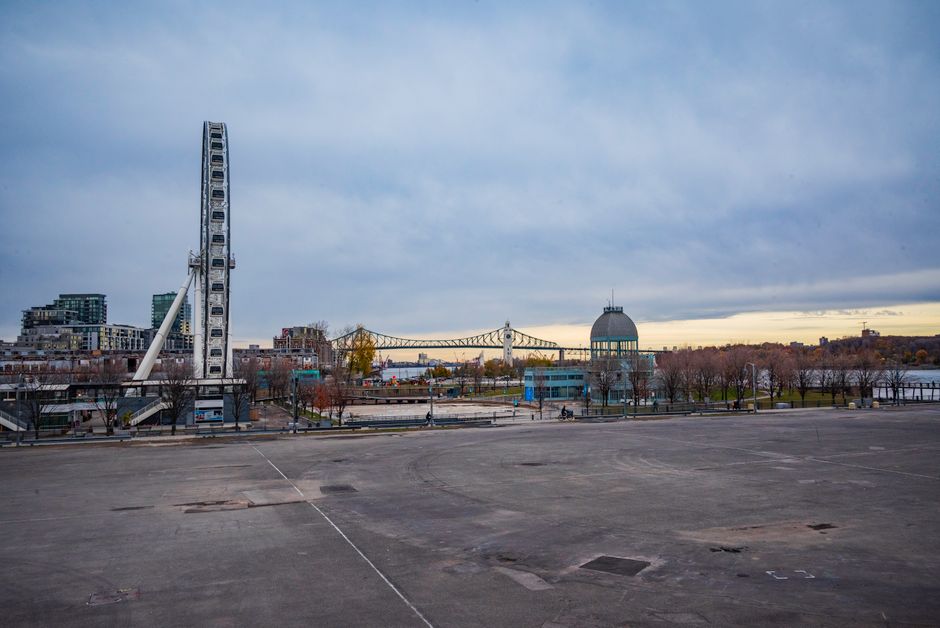
Most visitors move between a handful of places: Old Montréal and the Vieux-Port, downtown around Rue Sainte-Catherine and the Bell Centre, the Plateau and Mile End for restaurants, Griffintown and the Lachine Canal for newer hotels and apartments, and the Golden Square Mile below Mount Royal. Westmount and Outremont are quieter residential districts, and Verdun, the West Island and Laval are where many local guests start their evening.
The airport is in the Dorval area on the west side of the island, so an arrival usually means crossing most of the city by highway. Trips to the South Shore (Brossard and beyond) or to Laval cross a bridge, and bridge traffic is the most common cause of delay, so build a margin into anything tied to a flight, a show or a ceremony.
Traffic and timing patterns
- Weekday rush hours load the main highways and the bridges in both directions, and lane closures for road work are a regular feature of the warm months. Ask your operator to route around the day's known problems.
- Old Montréal has narrow, partly pedestrianized streets, so your chauffeur may use a nearby drop-off point rather than the exact door. Allow a few minutes of walking for cobblestone areas.
- Hockey and concert nights at the Bell Centre tighten downtown streets for an hour before and after the event.
- Winter snow operations can restrict street parking for hours at a time. That is another reason a chauffeur who stays with the car is easier than driving yourself.
The calendar that moves demand
Summer is the busy stretch. The Montréal International Jazz Festival takes over the downtown core in late June and July, the Formula 1 Canadian Grand Prix brings a weekend of heavy demand (see our Grand Prix car service guide), and other festivals and outdoor concerts fill the calendar into August. Hotels sell out, and so do cars. Book as early as you can; our booking lead-time guide explains why.
Winter has its own draw: holiday markets, ice-themed events and a strong restaurant season. Plan for cold-weather loading times and ask whether the car will be warmed before pickup.
Which vehicle for which trip
| Trip | Usual choice |
|---|---|
| Solo or pair, airport or business meetings | First Class Sedan or Business SUV |
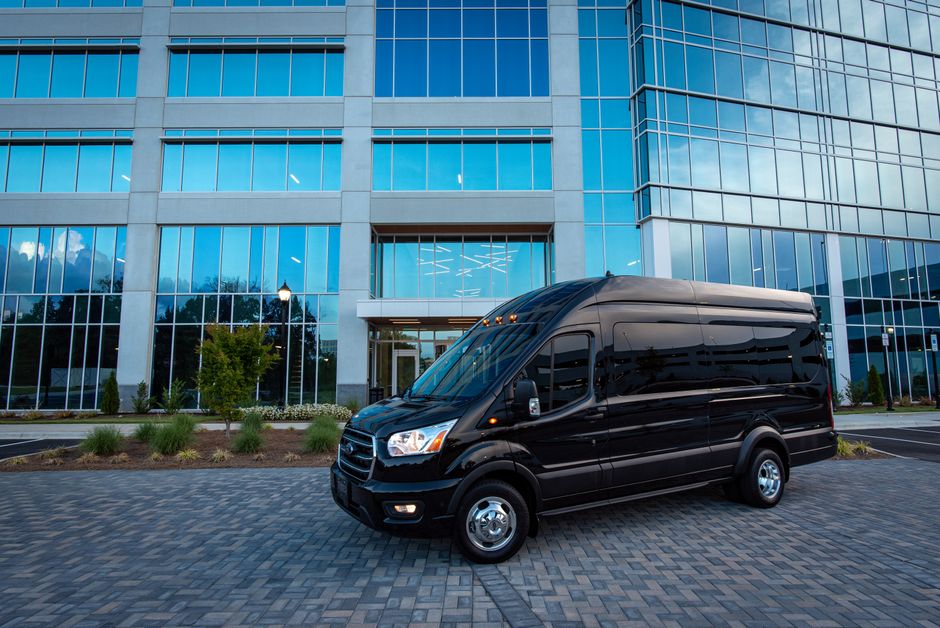
| Family with luggage, or a client dinner for four to six | Luxury SUV or Business Van |
| Wedding party, winery-style day out, corporate group | Executive Sprinter |
| Birthday or night out with a crowd | Stretch Limousine or Party Bus |
If you are unsure between a sedan and an SUV for winter luggage, our sedan or SUV comparison walks through the trade-offs, and the full lineup is at our fleet overview.
When hourly hire beats point-to-point
If your day has three or more stops, such as a morning in the old city, lunch on the Plateau and an afternoon at Mount Royal, an hourly booking usually makes more sense than separate transfers because the car waits for you. Hourly hire has a 5-hour minimum counted garage to garage; the reasoning is in our explanation of the 5-hour minimum. For a single hotel-to-venue run, a transfer is simpler.
Winter in the city
From late autumn to early spring, snow is part of the plan rather than a surprise. Street clearing is thorough but loud and disruptive, sidewalks can be icy, and cold-weather arrivals need extra minutes for coats, luggage and a car that has been warmed. If you are on a tight timetable, such as a morning departure for the airport, ask your operator to confirm the pickup time the evening before and consider a larger vehicle for ski gear or heavy winter luggage. Many guests also pair a city stay with a visit to the Laurentians, which is a longer hourly day rather than a transfer.
Weddings, groups and corporate days
Montréal is a busy wedding and conference city, with ceremonies in historic churches and receptions in converted warehouses and old-city hotels. Group transport is quoted case by case: send the headcount, the addresses and the timing through the group quote form, and say whether you need a shuttle loop between hotel and venue. For conferences, our conference and trade show transportation guide explains how to plan shuttle timing and VIP cars.
Language and day trips
English and French are both in everyday use. If you want a chauffeur who is comfortable in one or both, say so in your request. Many visitors pair Montréal with a drive to the capital or to the old walled city; our guides to Québec City and Ottawa cover those legs. For general tourism information, Montréal's official visitor site is Tourisme Montréal.
When you are ready, book a chauffeur in Montréal and see current prices on the booking page, or use our group quote form for weddings, conferences and festival weekends.
Frequently asked questions
When is Montréal busiest for chauffeur bookings?
Late June through August is the peak, especially the Grand Prix weekend and jazz festival weeks. Holiday weekends and big hockey or concert nights also tighten availability, so book early.
Do I need a chauffeur who speaks French?
Not usually, since English is widely used in visitor-facing work. If you prefer French, or want both, mention it in your request so the operator can match a driver.
Is it easier to hire a car than to drive in Montréal?
Many visitors find it is, because of bridge traffic, frequent road work and winter parking restrictions. A chauffeur drops you at the door and handles the car.
How do I decide between hourly hire and transfers?
Use transfers for single point-to-point runs and hourly hire when you have several stops and want the car to wait. Hourly hire has a 5-hour minimum counted garage to garage.