United States
 Canada
Dubai is not a walkable city in the way older capitals are. Its main districts sit along a long coastal strip, connected by wide highways, and a short distance on the map can mean a meaningful drive. Add summer heat that makes standing outside unpleasant, and it is clear why a chauffeur is a common choice for visitors and business travellers alike.
This guide covers how booking a car and chauffeur works in Dubai: where people go, how traffic and seasons behave, and how to pick between transfers and hourly hire. For arrivals, see the Dubai International airport guide; for ready-made itineraries, the Modern Dubai tour guide.
The districts that matter
- Downtown Dubai. The Burj Khalifa, the large mall beside it and many hotels. See the Burj Khalifa article for background on the tower.
- Business Bay and DIFC. Offices, financial firms and meeting hotels; the busiest weekday address for corporate bookings.
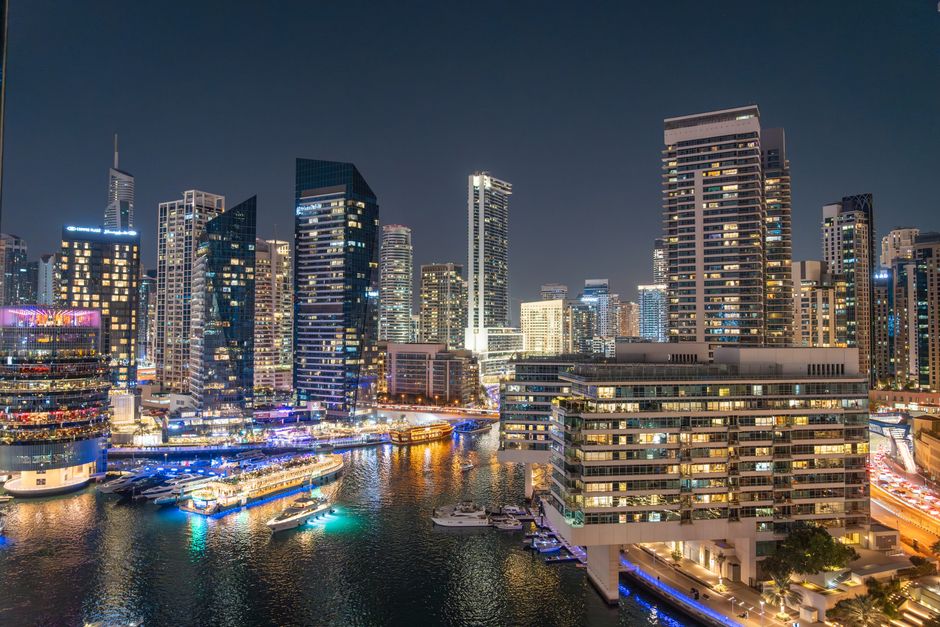
- Dubai Marina, JBR and Palm Jumeirah. Beach hotels, restaurants and residential towers along the coast.
- Jumeirah and Al Safa. Beach roads, boutiques and villas.
- Deira and Bur Dubai. The older creek-side areas, with markets, traditional dining and denser traffic.
- Al Barsha and the Expo and Al Maktoum areas. Further inland and south, relevant for conferences and the second airport.
Traffic and timing
Sheikh Zayed Road is the spine of the city, and weekday mornings and evenings are the pinch points. The working week and weekend arrangement in the UAE has changed in recent years, so confirm local business days for your trip rather than assuming. Friday afternoons and evenings often see leisure traffic toward malls and beaches. Many cross-city trips take much longer at peak hours, so ask your operator for a realistic estimate and add a buffer for anything time-critical.
Roads and public transport are managed by the Roads and Transport Authority, whose site is a useful reference for visitors planning around transport changes.
Seasons, heat and events
The cooler months, roughly November to March, bring outdoor dining, beach days and the peak of the visitor calendar. Summers are intensely hot and humid, with many people moving between air-conditioned spaces; a car that waits at the entrance helps. Large trade fairs and conferences, shopping festivals around the turn of the year, New Year's Eve fireworks near Downtown, and major sporting and racing events push hotel and vehicle demand up. Ramadan changes opening hours and traffic rhythms, and Eid holidays bring family travel.
Read our advice on New Year's Eve bookings if you plan to be there over the holiday, and conference and trade show transport for event weeks.
Which vehicle for which trip
Business arrivals suit a First Class Sedan or Business SUV. A Luxury SUV works for families with bags, and a Business Van seats six. For delegations, wedding groups or a trip to Abu Dhabi, an Executive Sprinter seats 12 to 14. If you are unsure how many bags fit, the luggage capacity guide helps.
Transfers or hourly hire
For one hotel-to-meeting run, a transfer is simple. For a day spanning Downtown, the Marina and the Palm, or a business day of several meetings, hourly hire keeps one chauffeur with you. It has a 5-hour minimum counted garage to garage. Longer days out of the city, such as the Abu Dhabi day trip, are better as tours.
If you are arranging from abroad, booking chauffeurs in London, Paris and Dubai from North America covers time zones and confirmations.
Practical notes
- Share your hotel name and tower or entrance, since many properties have several.
- Confirm your flight number if you are arriving, so the chauffeur can track delays.
- For dress codes at religious sites, check official guidance before you go.
- Tourism information is available from Visit Dubai.
Etiquette and expectations
Chauffeur service in Dubai is widely used by residents and visitors, and the usual standards apply: a clean vehicle, a professionally dressed driver and clear communication about timing. Local customs matter, particularly around dress and behavior near religious sites and during Ramadan. Ask your operator for guidance if you are unsure, and follow official advice for visitors. Tipping norms differ by country, so read our gratuity guide before you travel.
A typical day, planned
Imagine arriving at dawn on an overnight flight, going to a Marina hotel, resting, then meeting a client in DIFC in the afternoon and finishing with dinner on the Palm. With separate transfers you book each leg; with hourly hire, one chauffeur stays with you across the afternoon and evening, which saves coordination and keeps your documents and gifts safe in the vehicle. If your plan includes a night-time sightseeing loop, the Modern Dubai tour is built for that. Remember that tour prices cover the vehicle, not tickets, meals or parking.
If anything changes, such as a delayed flight or an extended meeting, message your chauffeur early. Good operators would rather rearrange than have you stand outside in the heat.
To arrange a car for your dates, open the Dubai booking page and see current prices there.
Frequently asked questions
Is a chauffeur practical for getting around Dubai?
Yes. Distances are long and the city is built around roads, so a chauffeured car with a set schedule is the simplest way to cover Downtown, Marina and the Palm in one day.
When is the best season for a chauffeured trip in Dubai?
Roughly November to March has the mildest weather and is the peak visitor season. Summers are very hot, so a cooled car waiting at the door matters.
Does Ramadan change how I should plan?
Business hours and traffic patterns shift during Ramadan, with later evenings and quieter mornings. Ask your operator about timings and allow extra buffer.