United States
 Canada
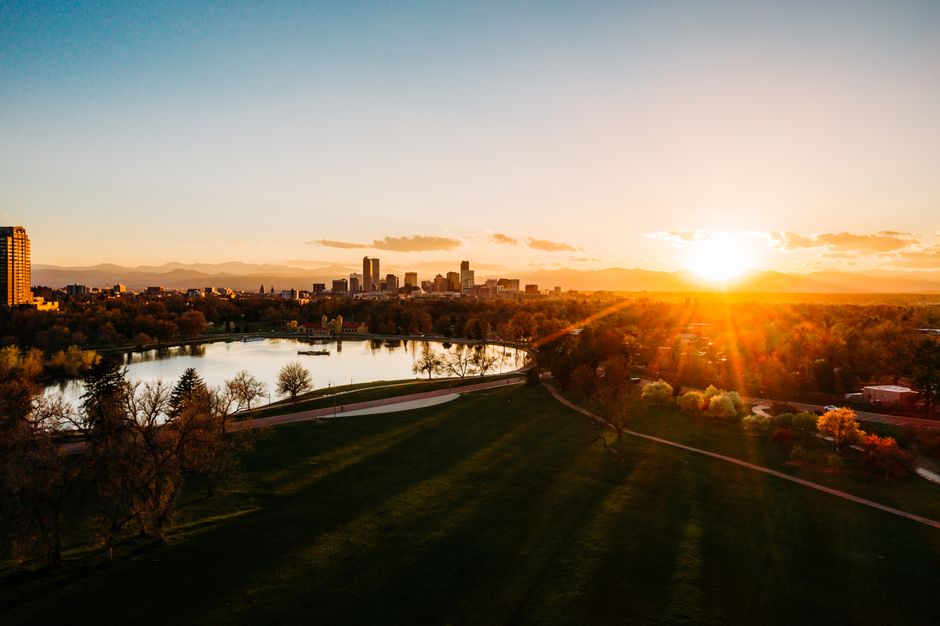
Denver is a mile-high city spread across a wide plain, and almost every trip starts with distance. The airport sits far northeast of downtown, red-rock venues and ski towns lie to the west, and a spring snowstorm can reshuffle a day in an hour. A local chauffeur is less about luxury here than about reliable timing across long, weather-prone roads.
This guide shows where people go, when traffic and weather bite, and which vehicles and booking styles work best. For airport specifics, see the Denver International Airport car service guide.
The districts that matter
Downtown and Lower Downtown (LoDo) hold the stadiums, convention center and many hotels. Cherry Creek is the upscale shopping and dining zone, while RiNo and Highlands draw younger dinner crowds. Boulder, Golden, Morrison and Evergreen lie in the foothills; Denver Tech Center and Aurora fill out the southeast corridor. Many business trips link downtown to the Tech Center on I-25, and that stretch fills at rush hour.
Roads, weather and timing
The route from downtown to the airport is a highway run of roughly 25 miles, so allow generous time rather than hoping for the best. Check the airport's own guidance at flydenver.com. Winter and spring storms can bring slick roads, and early-season snowfall in the mountains can close passes briefly. Operators monitor road reports; share your flight and event times so they can leave early when conditions are poor.
West of town, I-70 is the main road to the ski areas, and weekend winter traffic can crawl. If your trip involves mountain towns, read our ski trip chauffeur guide for luggage, timing and winter-driving tips.
Big dates and busy periods
- Summer concert season: Evenings at Red Rocks Amphitheatre pull thousands up a winding road; see the Red Rocks car service guide.
- Ski season weekends: Friday departures and Sunday returns on I-70 are the heaviest.
- Sports and stadium nights: Home games bring downtown street closures and busy drop-offs.
- Conventions: Weekday corporate arrivals peak at the convention center.
For the venue itself, the official Red Rocks Park and Amphitheatre site posts event details and access notes.
Choosing a vehicle in a mountain city
Altitude and snow make vehicle choice matter. A Luxury SUV (six passengers) is a sensible winter default for trips with skis, snowboards or bags, and it handles unplowed streets better than a low sedan. A First Class Sedan or Business SUV suits solo executives and couples. Larger groups, such as wedding parties heading to a foothills venue or a company outing, can book an Executive Sprinter with 12 to 14 seats or a Party Bus for 20 to 30. The Luxury SUV guide covers capacity and luggage in detail.
Transfer, hourly or tour?
Point-to-point transfers cover airport runs and one-way trips. Hourly hire suits mountain days when you want the car to wait at trailheads, breweries or a concert. Note the 5-hour minimum, counted garage to garage. If you only need a short evening, a transfer is usually a better fit. For day trips, the private Denver and Red Rocks tour combines the city and the amphitheater; read the full tour planning guide. Tour prices cover the whole vehicle, while tickets, meals and parking are extra.
Practical advice
- Share your flight number so the chauffeur can track delays.
- Pad your schedule for weather, especially October through May.
- Tell the operator about ski gear, golf clubs or strollers.
- Confirm any venue-specific drop-off points before event nights.
- Check current prices on the booking page.
Want a general overview of the city? Wikipedia's Denver article is a handy start, and Visit Denver covers events and neighborhoods.
Altitude and a few local realities
At roughly a mile above sea level, visitors from the coast sometimes feel the elevation more than expected, especially after a flight and a glass of wine. Keep water handy, and ask your chauffeur to stop if anyone feels unwell on a mountain drive. Dry air and strong sun also mean sunny days can be cold, so bring layers when heading west to Red Rocks or the foothills, where evenings cool off sharply even in summer.
Denver's street grid and one-way downtown blocks can make hotel curbs busy, particularly on game nights. Ask the operator for a precise pickup point, such as a specific corner or a hotel porte cochere, so the chauffeur is not circling the block. For corporate groups arriving in waves from the airport, a few well-timed vehicles often work better than one oversized bus, and the operator can stagger pickups around flight arrivals. If your plans include several mountain stops, such as a brewery in Golden and dinner in Morrison, share the full list in advance so the chauffeur can sequence stops by distance rather than by guesswork.
Ready to plan? Book a chauffeured car in Denver, or send a group request for weddings, ski groups and corporate events. Licensed partner operators provide the vehicle and chauffeur.
Frequently asked questions
How far is Denver airport from downtown?
It is a highway run of roughly 25 miles, so plan on a generous buffer, more in winter weather or at rush hour.
Do chauffeurs drive in snow?
Operators drive year round and watch road reports, but severe storms can delay or reroute trips. Leave extra time and keep in touch with your driver.
What vehicle suits a ski group?
A Luxury SUV handles four to six people with gear. Larger groups can look at an Executive Sprinter with 12 to 14 seats.
Is hourly hire worth it for a concert night?
It can be if you want the car waiting. Remember the 5-hour minimum counted garage to garage; a transfer each way may suit shorter nights.