United States
 Canada
Allegiant Stadium is the glass-and-steel dome just west of the Las Vegas Strip, and on event nights it is the busiest place in the city. It is home to the Las Vegas Raiders and UNLV football, hosts large concerts and has hosted major events including the Super Bowl in February 2024. For guests, the question is not how to get there; it is how to get there and back without losing an hour in traffic. A chauffeur does not make the traffic disappear, but a good driver plans around it. This guide explains how.
For the city beyond the stadium, our Las Vegas booking guide covers districts and timing, and the game day transportation guide explains general principles for sports events.
The stadium and its setting
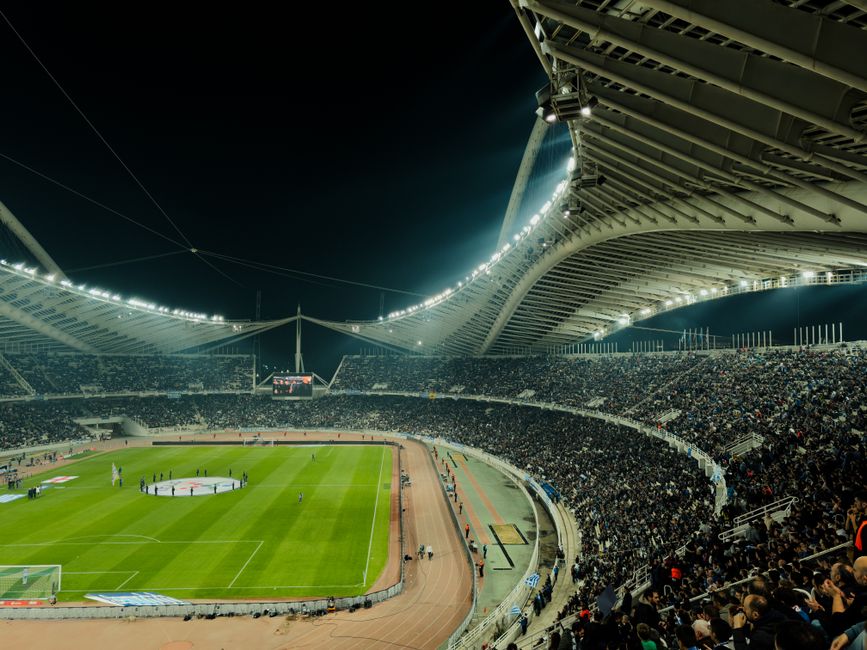
The stadium sits near Interstate 15, close to the southern end of the Strip and Mandalay Bay, and not far from Harry Reid International Airport. It is an enclosed venue with air conditioning, which matters in the desert, and it holds roughly 65,000 spectators with room to expand for special events. Because so many vehicles use the same few roads on event nights, the area around the stadium becomes crowded early, and the access roads can slow to a crawl. See the stadium's own site at Allegiant Stadium for event dates, entry information and current transportation guidance.
Where guests come from
- Strip resorts. Many visitors stay within a short drive, though the traffic makes it longer on event nights.
- Downtown and Fremont Street. A drive across town that can be quick or slow depending on the freeway.
- Summerlin and Henderson. Residents often drive from the west or southeast suburbs.
- The airport. Fans arriving by air often go straight to the stadium; see the Harry Reid airport guide.
Arrival timing
For an NFL game or major concert, plan to leave for the stadium much earlier than the distance suggests. Plan roughly an hour or more of buffer, and ask your operator for a recommended departure time based on the event, the gates you will use and the crowd. Doors usually open ahead of the event, so arriving early gives you time to go through security without rushing. Bag rules and entry procedures change, so check the stadium's website before you travel.
Drop-off and pickup in general terms
Stadiums set aside areas for rideshare and chauffeured vehicles, and the exact locations and rules can change by event. Your driver should know the current approach, but it is wise to confirm the plan the day before. Typically, the car drops you at a designated area near your entrance, then moves to a staging area away from the main flow. For pickup, you message the driver when you are ready, and they come to an agreed point. Do not assume the car can wait at the curb; the police and event staff will move it along.
After the event: a pickup strategy
The hardest part is leaving. Tens of thousands of people head for the same exits, and the roads around the stadium fill. Three approaches work well:
- Stay for a few extra minutes, or let the lot clear while you linger on the concourse.
- Walk to a pre-agreed pickup point a few blocks from the stadium, away from the main crowd.
- Head to a nearby restaurant or bar and meet the car after the rush.
Tell your driver which option you prefer, and have a backup meeting point in case roads are blocked. Keep your phone charged, since cellular networks can slow when the crowd is dense.
Group vehicles
| Group | Suggested vehicle |
|---|---|
| Two to three | First Class Sedan or Business SUV |
| Up to six, tailgate gear | Luxury SUV |
| 12 to 14, corporate hospitality | Executive Sprinter |
| 20 to 30, fan group | Party Bus |
Large vehicles may be subject to separate rules at stadiums, so ask your operator how they handle drop-off and staging for a Sprinter or a party bus.
Concerts, heat and the rest of the night
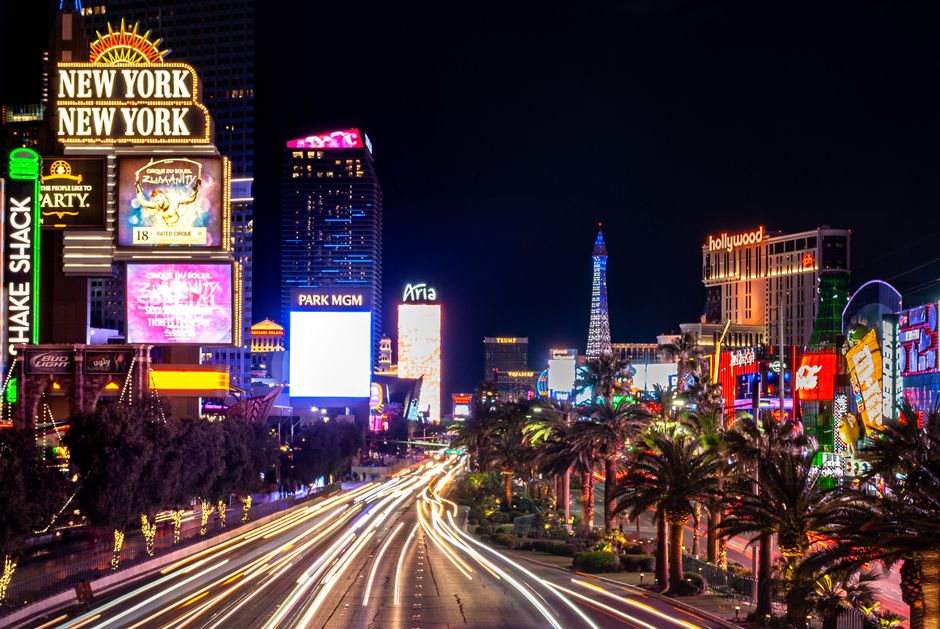
Concerts follow a different rhythm from football, with later start times and a rush to leave at the end; our guide on concert night car service explains how to get in and out without the crush. Many guests combine an event with dinner on the Strip or a late-night show, which fits an hourly booking with a 5-hour minimum counted garage to garage. For a quieter way to see the city, see the Las Vegas Strip by night tour guide. Summer evenings stay hot, so a cool car waiting is a relief. For general visitor information, see Visit Las Vegas and the Allegiant Stadium article on Wikipedia.
When your event date is set, book a chauffeured car in Las Vegas and see current prices on the booking page.
Frequently asked questions
Can the car wait at the stadium during the event?
Usually the car drops you and moves to a staging area, then returns when you message. Do not assume the driver can wait at the curb.
How early should I leave for a Raiders game?
Plan roughly an hour or more of buffer beyond the normal drive. Ask your operator for a recommended departure time.
What is the best way to leave after the event?
Either wait for the crowd to thin, walk to a pre-agreed pickup point, or meet the car at a nearby restaurant after the rush.
Which vehicle suits a group of 12?
An Executive Sprinter seats 12 to 14. Ask your operator about stadium rules for larger vehicles.